
Key Takeaways
-
Design Philosophy: Premium eyewear prioritizes structural integrity and material honesty over visible branding, utilizing high-grade acetate, celluloid, and aerospace-grade titanium.
-
Cultural Significance: Oliver Peoples frames have evolved into a global cultural signifier for quiet luxury and professional specialization, deeply rooted in 1920s vintage aesthetics.
-
Japanese Artisanship: Sabae, Japan, serves as the global manufacturing hub for handcrafted eyewear, producing technically superior alternatives that feature specialized Asian-fit ergonomics.
-
Lens Processing Risks: Fitting lenses into premium frames requires precise thermal control; improper heating of celluloid or acetate can cause irreversible warping, bubbling, or combustion.
The global luxury eyewear market operates on a strict hierarchy of material quality, hinge engineering, and historical provenance. While mass-market glasses rely on injection-molded plastics, the top tier of optical design focuses on handcrafted construction. This standard was heavily influenced by the emergence of Oliver Peoples frames in 1987. Founded in West Hollywood, the brand built its identity on vintage American designs from the 1920s and 1930s. By removing external logos and focusing on intricate filigree and premium materials, these frames established a lasting template for modern quiet luxury.
What Defines the Construction of Oliver Peoples Frames?
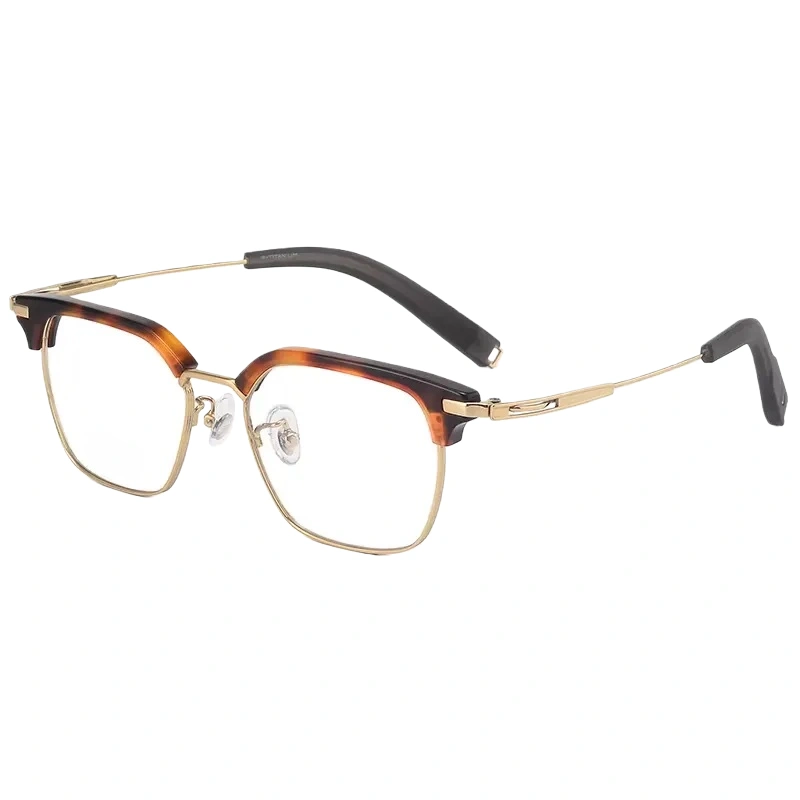
The structural identity of Oliver Peoples frames relies on specific engineering choices rather than conspicuous branding. The frames utilize specialized barrel hinges and custom wire cores embedded within the temples to maintain rigidity and balance.
In cultural contexts—such as the 1980s Wall Street environment depicted in American Psycho—these frames functioned as a precise indicator of wealth and aesthetic discernment. Today, they are primarily adopted by professionals such as architects, lawyers, and creative directors who require optical instruments that communicate specialized knowledge and understated authority.
Japanese Handcrafted Alternatives: The Sabae Standard
While American vintage designs established the aesthetic baseline, the technical execution of high-end eyewear is deeply rooted in Japanese artisanship. Fukui Prefecture, specifically the city of Sabae, is the global center for premium optical manufacturing. In fact, historical data indicates that EYEVAN, a premier Japanese manufacturer, actually produced the early iterations of Oliver Peoples frames, establishing the foundational craftsmanship the American brand is known for today.
Japanese brands apply extreme manual labor to their production lines, often involving over 100 individual steps per frame. This includes tumbling frames in barrels with bamboo chips and clay for days to achieve a specific surface density and an unparalleled luster.
Comparison of Premium Japanese Optical Entities
| Brand Entity | Historical Origin | Technical Signature | Primary Wearer Profile |
| EYEVAN (7285) | 1972 | Intricate arabesque metal filigree, logo-less construction. | Designers, urban professionals seeking quiet luxury. |
| MASUNAGA | 1905 | Hand-polished pure titanium and high-density acetate. | Corporate executives, politicians, legal professionals. |
| MATSUDA | 1967 | Complex, ornate gothic/steampunk metal engravings. | Avant-garde artists, film industry professionals. |
| KameManNen | 1917 | Upward-extending turtle nose pads, compact round profiles. | Academics, vintage purists, authors. |
| Yellows Plus | 2001 | Precision Asian-fit ergonomics, modern minimalist geometry. | Asian metropolitan professionals, IT specialists. |
Material Honesty: Acetate, Celluloid, and Titanium
The valuation of premium frames—typically ranging from 400 to 900 USD—is directly tied to the raw materials utilized in their construction. These materials dictate not only the optical lifespan of the product but also the physical interaction between the frame and the wearer.
-
Cellulose Acetate and Celluloid: Unlike standard injection-molded plastics, high-grade acetate is cut from solid blocks. Celluloid, a traditional material still utilized by Japanese artisans, offers exceptional hardness and a unique depth of color.
User Benefit: High-density acetate and celluloid polish to a glass-like finish, providing a smooth, warm surface that rests securely and comfortably against your temples.
-
Aerospace-Grade Titanium: Brands like MASUNAGA utilize pure titanium and beta-titanium for their chassis and hinges.
User Benefit: Pure titanium provides high structural integrity without the bulk, allowing you to experience a feather-light, cool metallic touch that never pinches your nose bridge.
The Technical Risks of Fitting Lenses Offline
Procuring a high-end frame online and fitting lenses at a local optical shop introduces specific mechanical and thermal risks. The process of inserting custom-cut lenses into premium materials requires specialized machinery and highly trained technicians.
Thermal Deformation in Organic Materials
To insert lenses into acetate or celluloid, the optician must soften the frame using a specialized optical heater. If the technician lacks experience with premium materials, excessive heat application will cause acetate to warp, lose its hand-polished luster, or develop internal bubbles. Celluloid presents an even greater risk; due to its exceptionally low ignition point, improper heating can cause the frame to scorch or spontaneously combust.
Mechanical Stress on Metal Components
When fitting lenses into pure titanium frames, the lenses must be edged to exact micron-level tolerances. If a lens is cut marginally too large, forcing it into the metal chassis and tightening the closure screw will result in stripped threads or fractured hinge barrels.
Because of these variables, independent optical shops frequently require customers to sign liability waivers when bringing in third-party frames, protecting the shop from replacement costs if the frame fractures during the glazing process.
Frequently Asked Questions (FAQ)
Why do opticians charge processing fees for third-party frames?
Optical centers typically charge a processing fee (ranging from 10 to 30 USD) for third-party frames to cover the overhead of operating high-end edging machinery. It also offsets the financial risk of handling unfamiliar, potentially fragile materials without the profit margin typically gained from a direct frame sale.
How can I safely fit lenses into expensive frames purchased online?
To mitigate risk, avoid fast-fashion optical chains. Instead, utilize high-end independent opticians or hospital-based optical centers equipped with advanced edging technology. Alternatively, obtain a highly precise prescription (including sphere, cylinder, axis, and pupillary distance) from a medical facility and have the original online retailer process the lenses, as they hold the liability for their own frame inventory.
Are Japanese handmade frames better suited for specific facial structures?
Yes. Brands like Yellows Plus engineer their nose pads, bridge widths, and temple curvatures specifically for Asian facial ergonomics. This prevents the slipping and cheek-touching issues that some wearers experience when wearing standard European or American optical designs.